
Engineering planning support
Plan the load.
Understand the wind.
Enter the real lift: load dimensions, mass, porosity, wind speed and altitude. Compare wind torque with the selected VLN configuration. Estimate battery demand, available lifting time and lifts per charge.
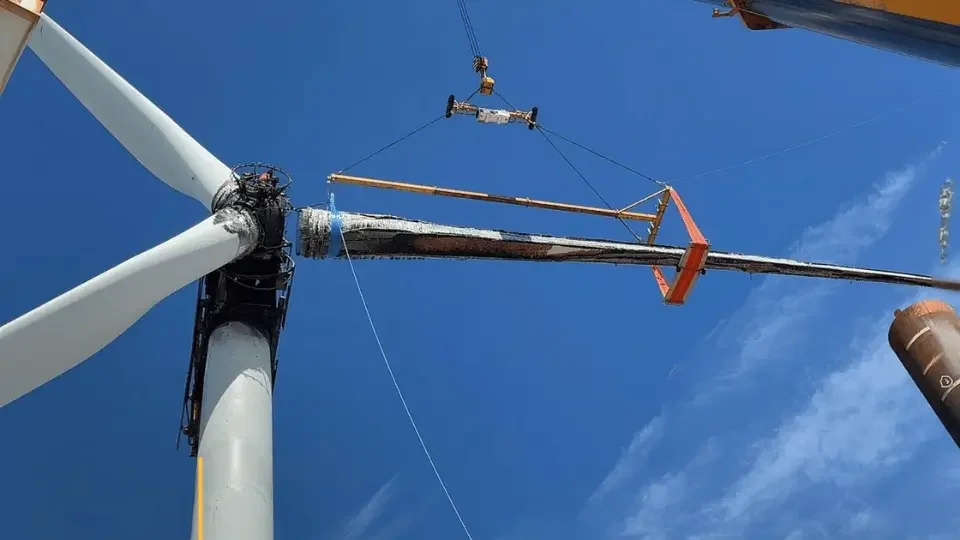
Describe the load
Dimensions, mass, geometry and porosity.
Set the environment
Wind speed, altitude and relevant site conditions.
Review control authority
Compare wind torque with available system torque.
Plan the sequence
Review battery demand, available lifting time and estimated lifts per charge.
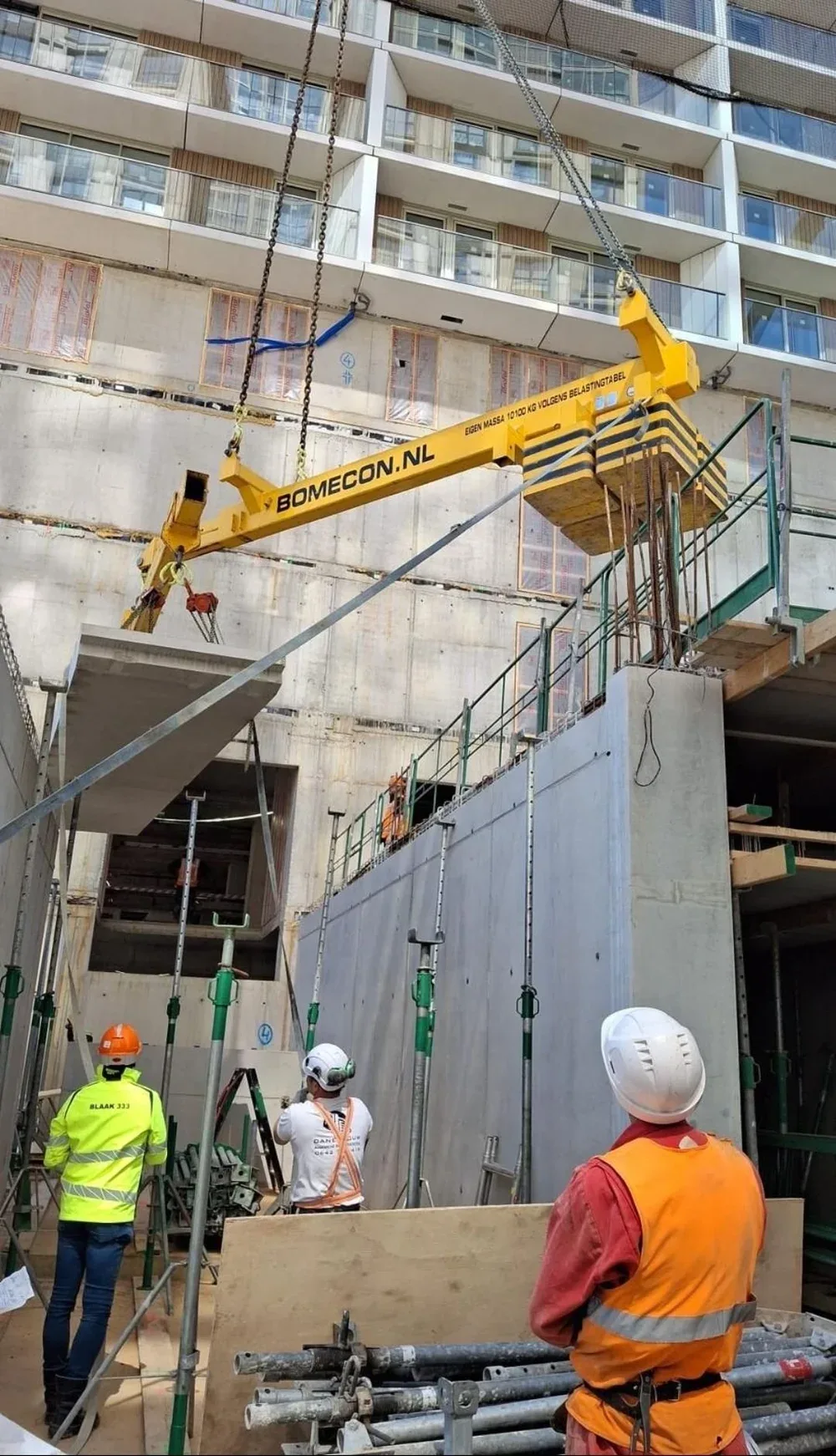
RocketLever planning
Offset geometry adds another dimension.
RocketLever analysis considers required reach, payload, counterweight arrangement and inertia alongside wind loading.
The tools support planning; outputs need review against the actual equipment and approved lift methodology.
Send the dimensions. Start the review.
Tell us what you need to lift. We’ll help you assess the system, configuration and support for your project.